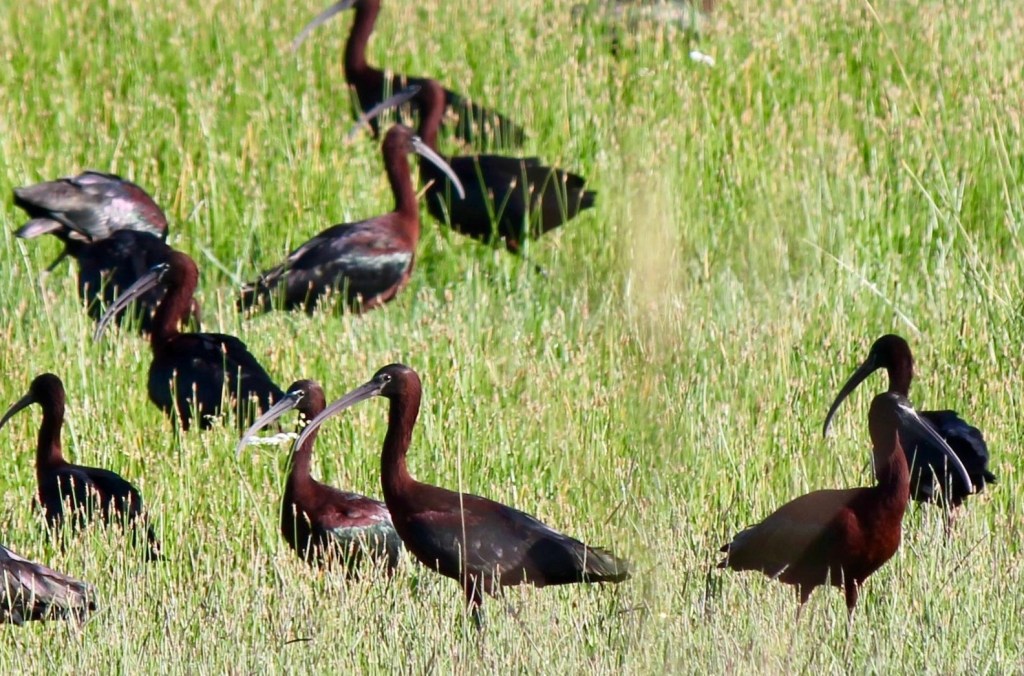
In the time I’ve been living in Köyceğiz the number of requests I get for information on good birding sites and general wildlife localities has increased. I enjoy these enquiries immensely as they lead to fruitful days out and new friendships but I reckon it’s time for a rough guide to the area around town for birders and wildlife watchers. I have concentrated on birds as they are the most visible wildlife but the area has a wealth of notable and rare creatures and plants still relatively little studied locally.
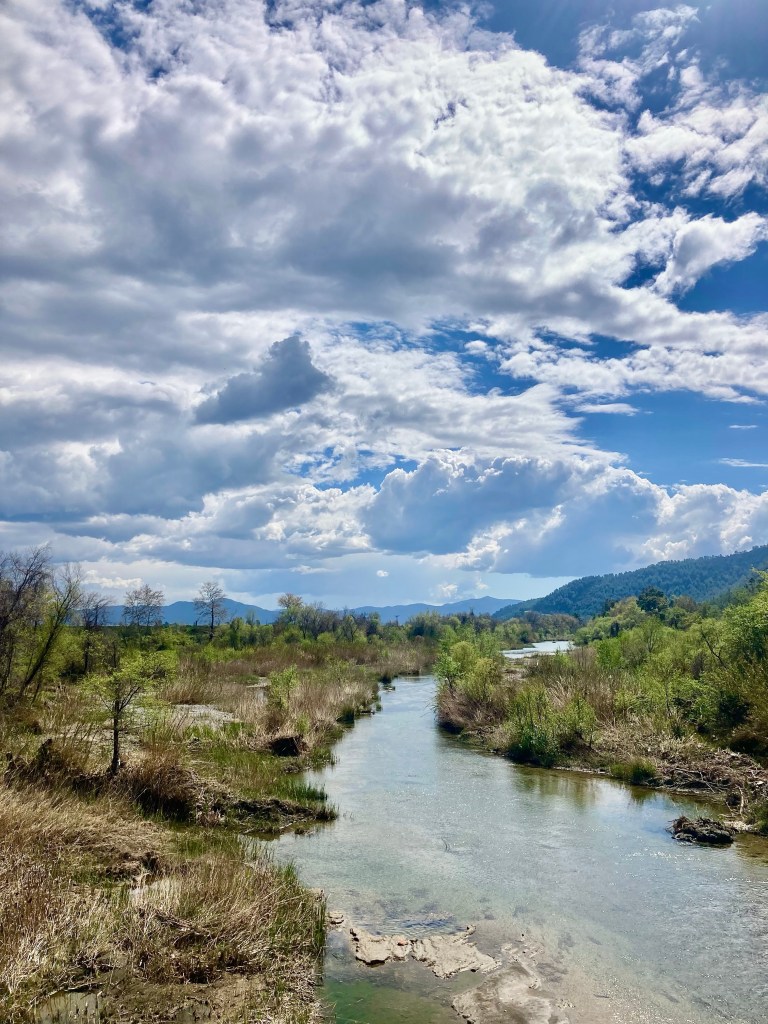
Köyceğiz has only recently begun to become built up and there are still plenty of neglected orange groves , densely overgrown plots, marshy streams and open fields around the centre that attract interesting wildlife. The borders of the town are comprised of lake, forest, reedbeds, fields, and the hillsides and mountains overlooking all of this. All sites listed are worth visiting but I’d recommend keeping an eye out wherever you are as the flyovers can be spectacular and small hungry passing migrants will linger almost anywhere if food is available.
Seasons aren’t necessarily clear cut here as the mildness of the weather allows for a long spring migration period, a searing summer and hot autumn months finally cooling around November into a comparatively gentle winter . Spring is a fantastic time to visit, mainly April and early May. Summer is scorching and birding is generally an early morning and evening pursuit. Autumn again is productive though September can be a challenge as the heat remains into October. However with some tactical leg work many surprises can turn up, often in large numbers. Winter – I’m pretty much the only bugger here, but I love it for the cracking views of local specialities such as White throated Kingfisher and visitors like Lesser Spotted Eagle, Osprey, and a variety of water birds.
Birds, beasts and bugs
Some birds are ubiquitous most of the year round in Köyceğiz and I don’t always record them in my online area reports. That’s not to say they aren’t great birds, I’m just too idle to write their names down each time. This includes Laughing Dove, Goshawk, 5 Woodpecker species , Marsh Harrier, Raven, Spanish Sparrow, Long Legged Buzzard, Cetti’s Warbler, Zitting Cisticola, Crested Lark, Great White Egret , Corn Bunting, Penduline Tit and Serin.
There’s no particularly “quiet” season, especially if , like me, you grew up in urban Northern Europe when a July stray Lapwing can be the height of excitement. Summer birders are still assured of some great birds as the breeders and early returners go about their business. Bear in mind I’ve been here just over three years-, 4 winters and springs basically, there’s still a lot to discover !
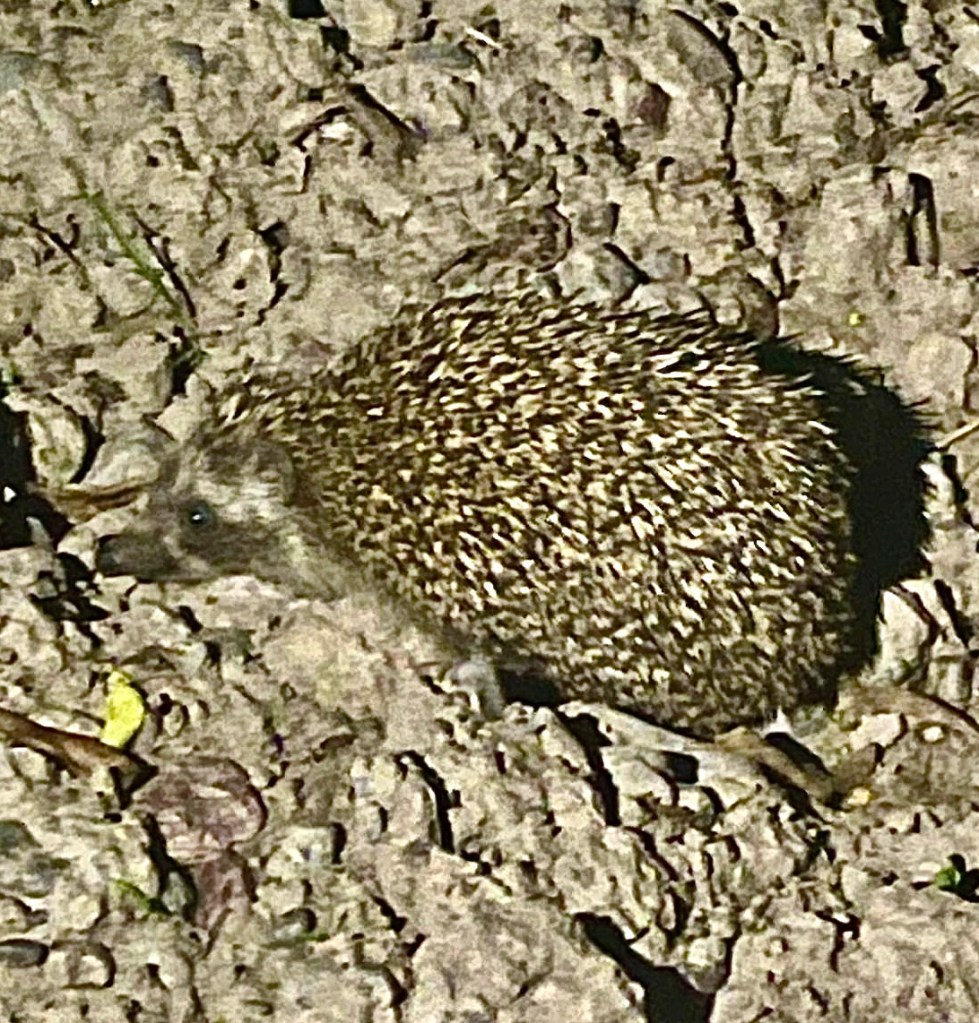
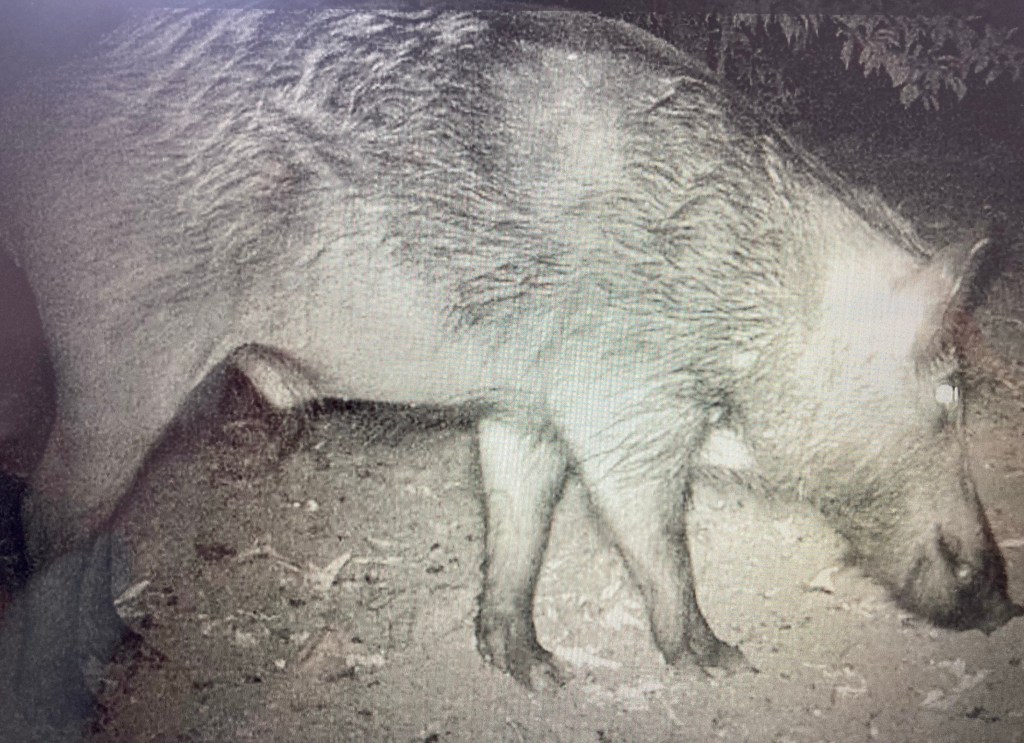
In terms of mammals Köyceğiz is blessed though seeing them isn’t quite so easy. Badger, Fox, Wild Boar, Beech Marten, several Bat species including Egyptian Fruit Bat, Southern White breasted Hedgehog, Eurasian Otter and lots of smaller rodents are reasonably common though sadly roadkill is often the nearest you’ll come to seeing them . Within the general wilder area of Muğla are populations of Persian Squirrel, Caracal , Lynx, Wolf, Jackal, Porcupine, Wild Goat and possibly the odd wandering Brown Bear. These areas are largely inaccessible to tourists unless you have an experienced guide.
Spring
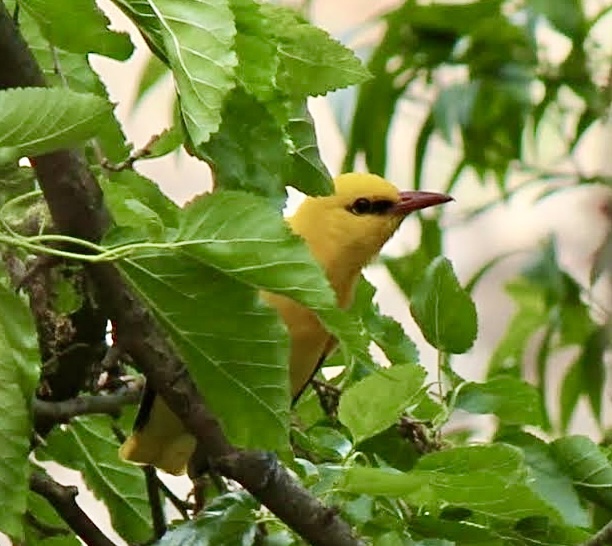
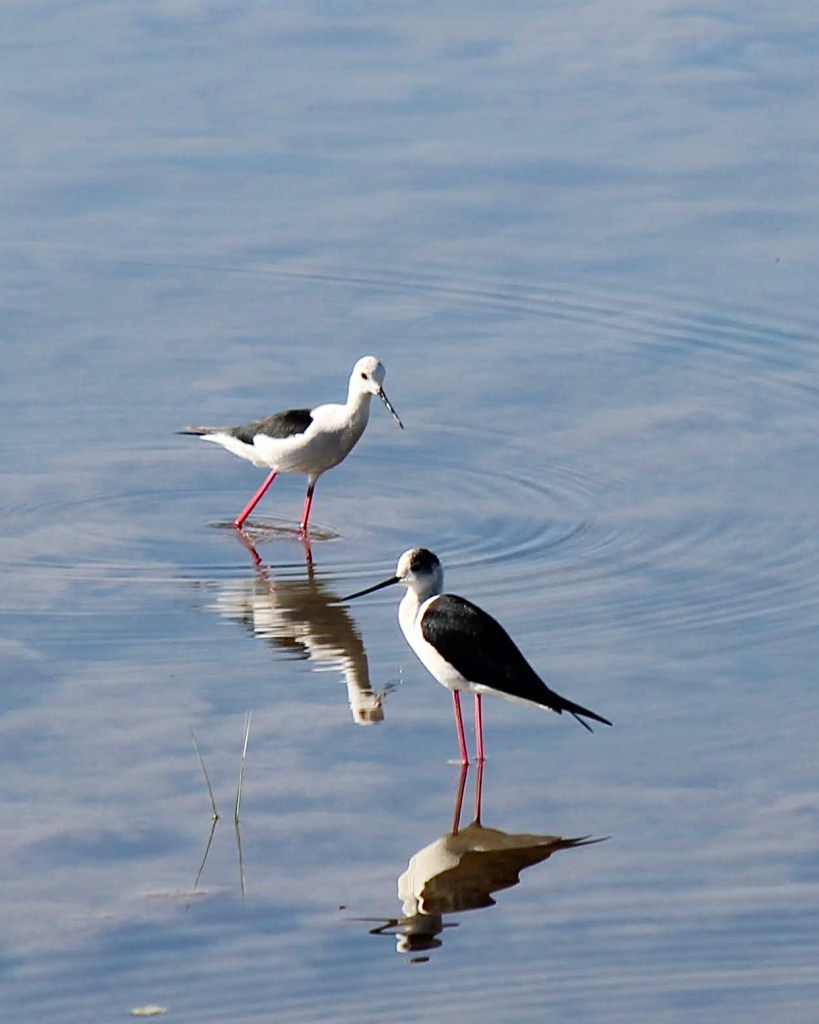
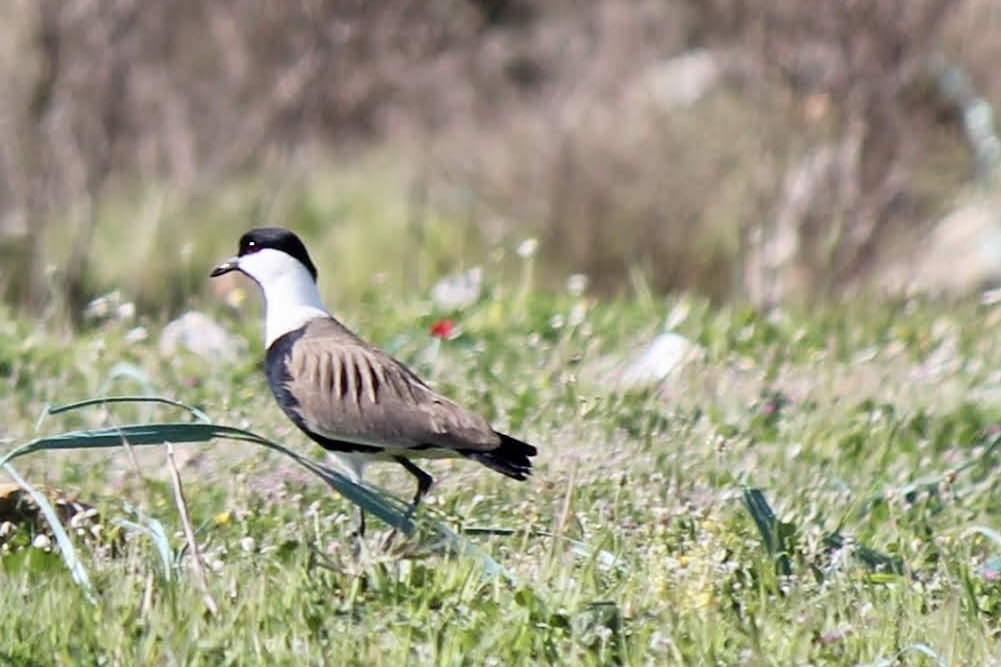
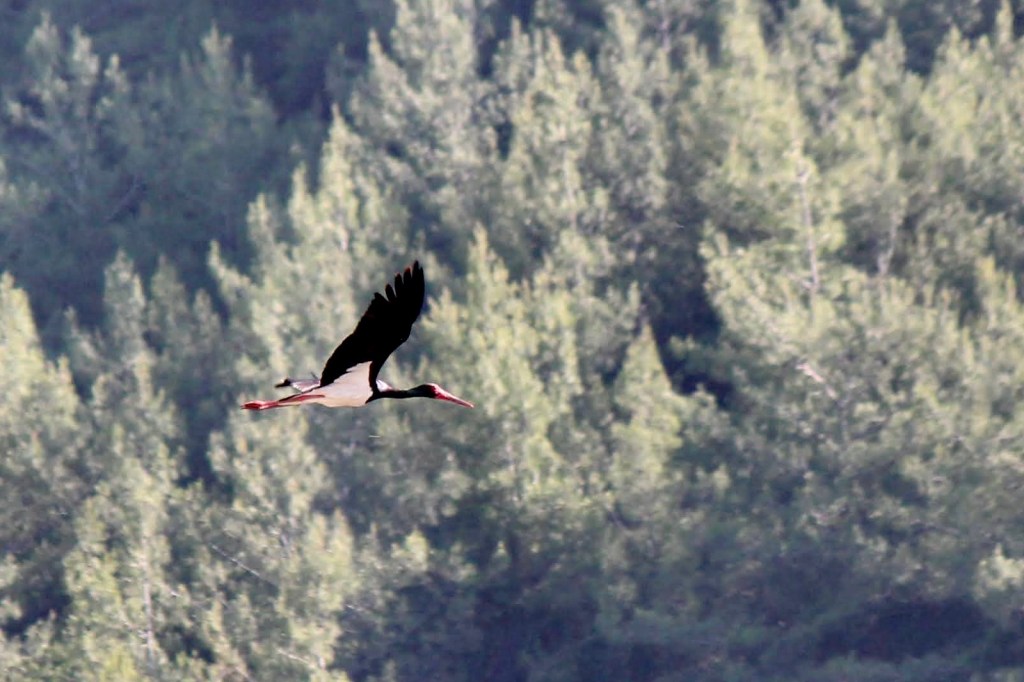
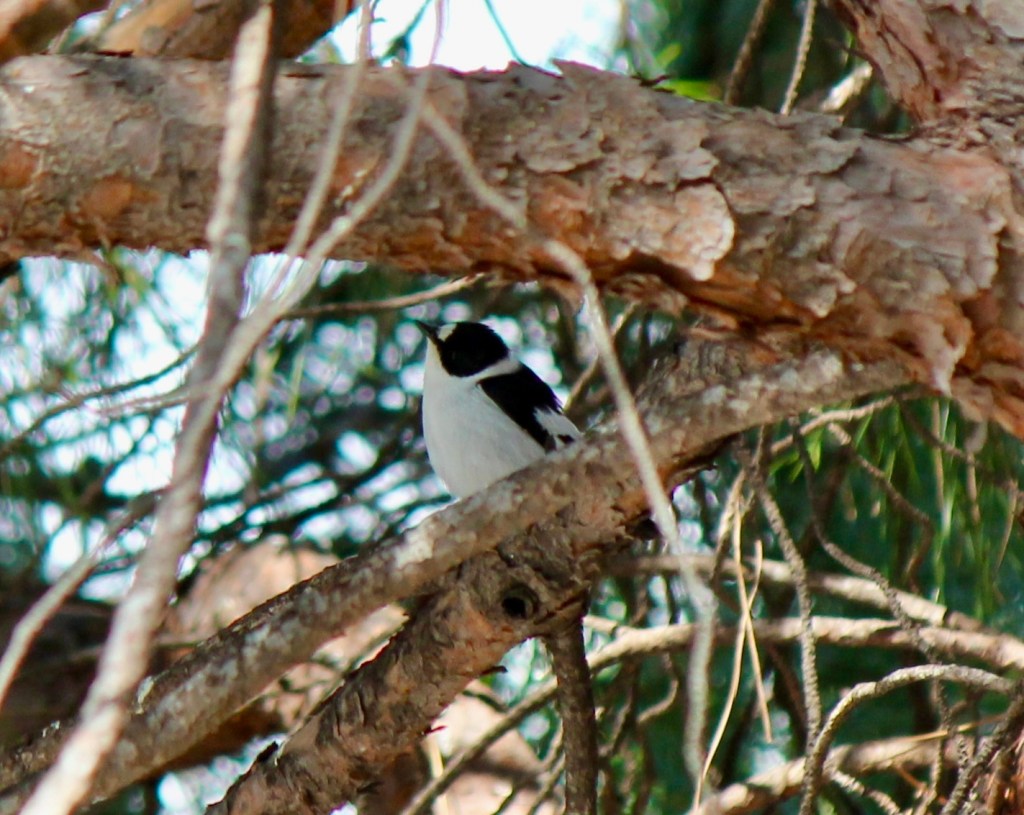
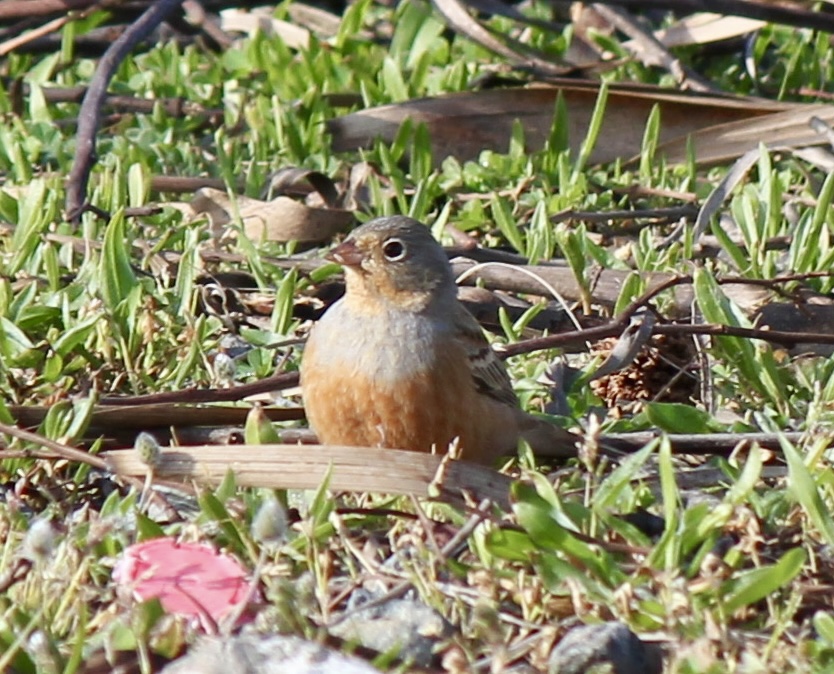
Spring migration starts noticeably in mid February and becomes lively through April and the first couple of weeks in May. Notable but regular spring birds in good numbers include- Glossy Ibis, Purple & Squacco Heron, Black Stork, Little Bittern, Black winged Stilt, Marsh Sandpiper, both Little and Temmincks Stints, Little Crake, Spotted Crake, Kentish Plover, Spur Winged Plover , Garganey , Golden Oriole, Hoopoes galore, Roller, Cretzschmars Bunting, Ortolan Bunting, Tawny Pipit, Osprey, Eleonoras Falcon, Red Footed Falcon. Okay- I’m bored with listing now- it’s superb, the numbers , the views, possibilities and when you’re tired go and sit in the nearest bit of woodland and listen to Nightingales, Orioles and whichever Woodpecker graces you with its presence.
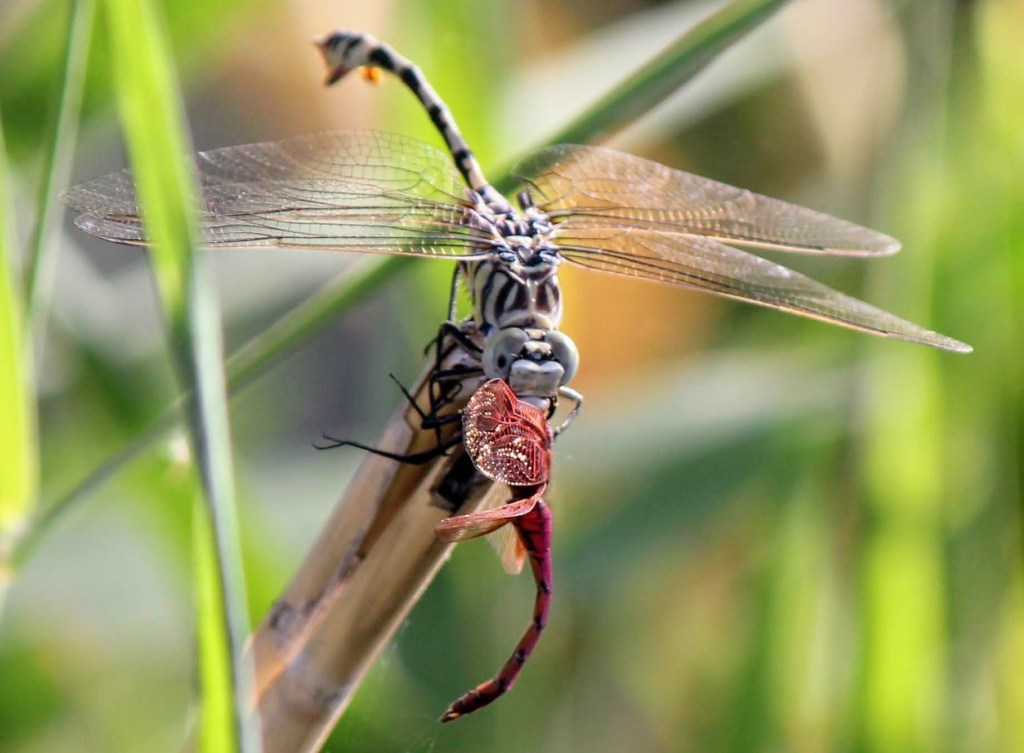
Spring is good for sighting Otters, the Wild Boar have boarlets, Spur thighed Tortoises will be doing battle, reptiles and amphibians are everywhere and there’s a profusion of insects, orchids and other plant life. It is a bewildering time for the committed biophile as you really don’t know where to look.
Summer
This separate’s the wheat from the chaff. In 2024 it was cracking the flags here, 40 C – 45C. By 11 am it’s getting tricky unless you’re on a boat or halfway up the mountains with A/C in your vehicle. With no exception you must follow recommended health guidelines when it comes to being out in the sun here, take water, wear a hat, lather yourself in sunscreen and keep to the shade. If you need to cool down in one of the flowing orchard irrigation channels then do so, just keep your undies on.
In summer I usually finish birding by 10 am and will go home or to a cafe. The woodland is pleasant for anything later though restrictions exist outside town in the larger forested areas. 5pm onwards is also a good time to go out as birds are often active again in the hours before dusk.
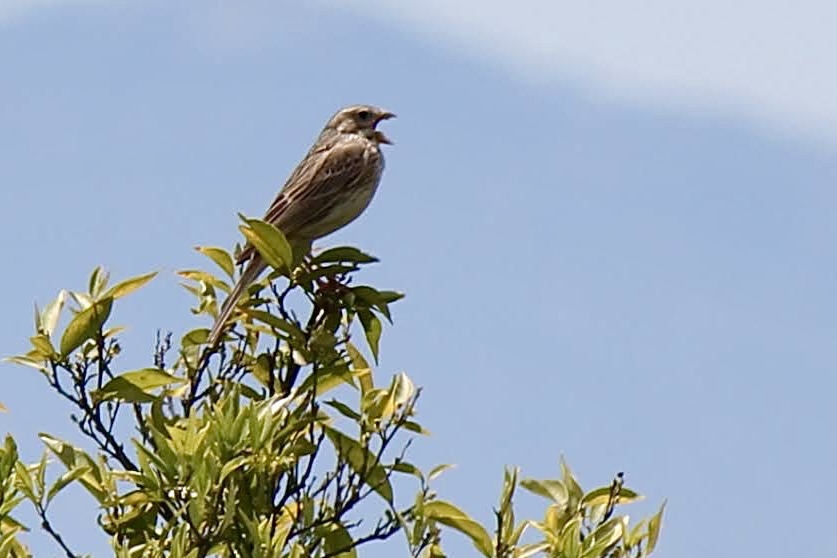
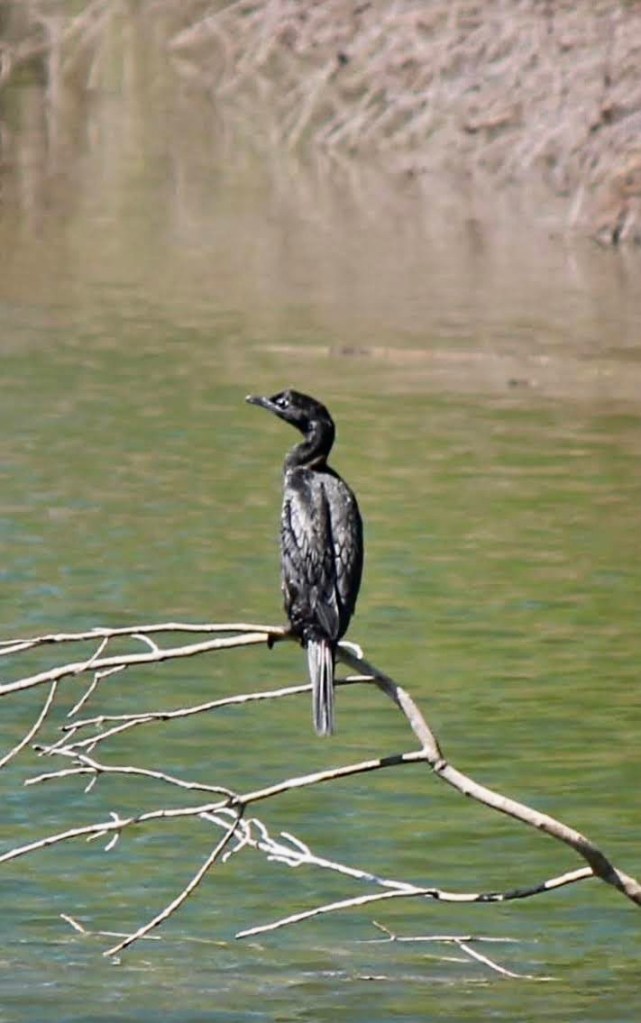
Summer birds obviously include all the local breeders though some early migrants liven up the pools , dump and lake. Keep an eye and ear out for Little Bittern , Purple Heron, Roller, White throated Kingfisher, Rufous Bush Robin, Eastern Bonelli’s Warbler, Whiskered Tern, Gull billed Tern, White Winged Tern , Sombre Tit, Pygmy Cormorant, Nightjar, various waders passing through, Water Rails calling all around the reedy areas. I occasionally come across Cirl Bunting, the exact status of which I’m not sure locally as sightings are patchy.
Autumn
Autumn trickles in as local birds leave and migrants from further afield move through. It’s a gorgeous time to be here, Turkey does autumn colours as well as anywhere in the world. The Siğla (Sweetgum) forest notably becomes a multicoloured vista of autumn hues and the mornings start with cooler damp air making birding much pleasanter than the August mugginess.
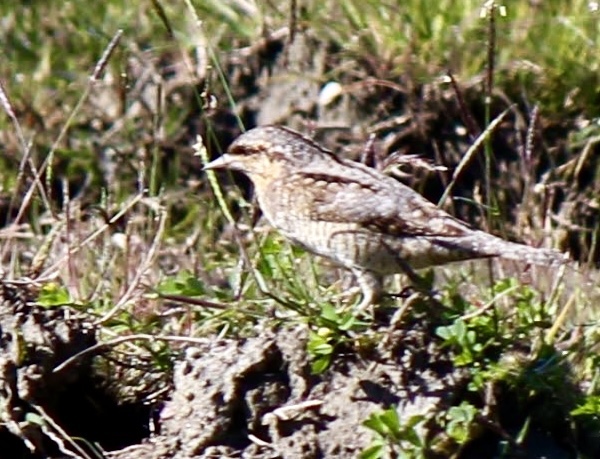
Birdwise it’s a little harder to predict than spring as there seems to be a more scattered exodus with often unexpected birds arriving. Waders can be notable by species , number and variety. Temmincks and Little Stint flocks are possible, parties of Sandpipers , Stilts, Ibis appear on the beach and marshes. Smaller migrants such as Wryneck, Wheatears, Larks, and Warblers can be found almost anywhere as they feed up in readiness for their long flights.
Winter
Winter birding is a treat in Turkey. The larger Eagle species such as Greater and Lesser Spotted and White tailed Eagle can be seen menacing the area around the lake, Black Redstarts abound, odd winterers such as Black Stork and Glossy Ibis bring class to the local riverbeds and you have the time, temperature and therefore inclination to go and see the local specialities such as Krupers & Rock Nuthatch and Sombre Tit. It’s not unreasonable to expect such beauties as Wallcreeper, Greater Flamingo or a Greater Sandplover as all three have been seen relatively close by.
Sites
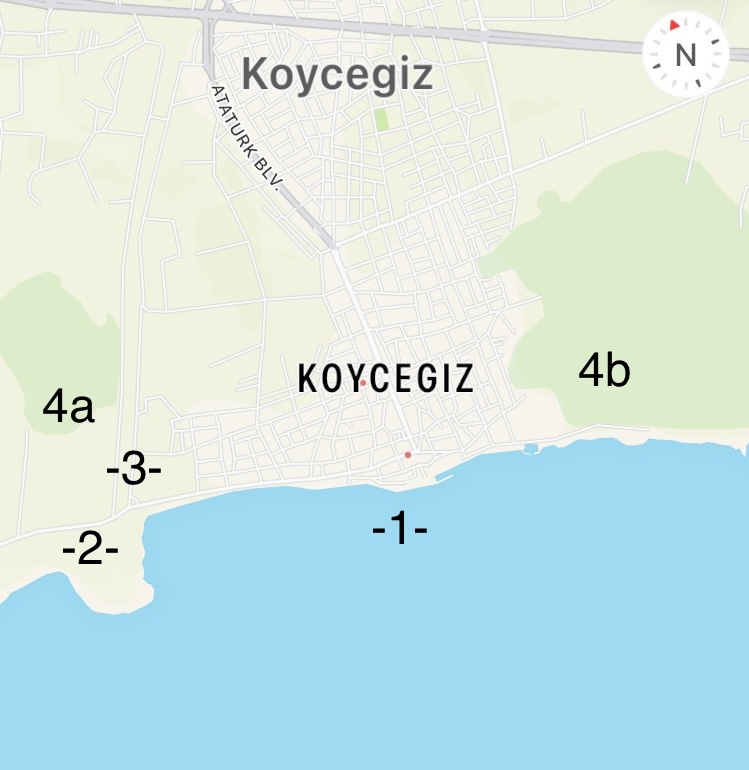
1. The Lake front– Not the most bird-packed way to start but as many visitors arrive by boat from Dalyan and only get a few hours it’s the place most visitors will see. Also it’s surprising what is out there, either on or crossing the lake depending on season.
Whiskered Terns are often seen off the promenade (Kordon) and perching on the kayaking buoys. Black, White winged , Gull billed and Sandwich Terns have also been seen regularly and Slender Billed, Audouins, Mediterranean and Little Gulls pass through occasionally. Raptors such as Harriers, White tailed Eagle (Spring, winter) and Osprey cross the lake and various Herons regularly pass from one side to the other. A few ducks turn up such as Shoveler and Ferruginous and I’ve seen large flocks of Garganey settle briefly plus a regular pair of Ruddy Shelduck in spring.
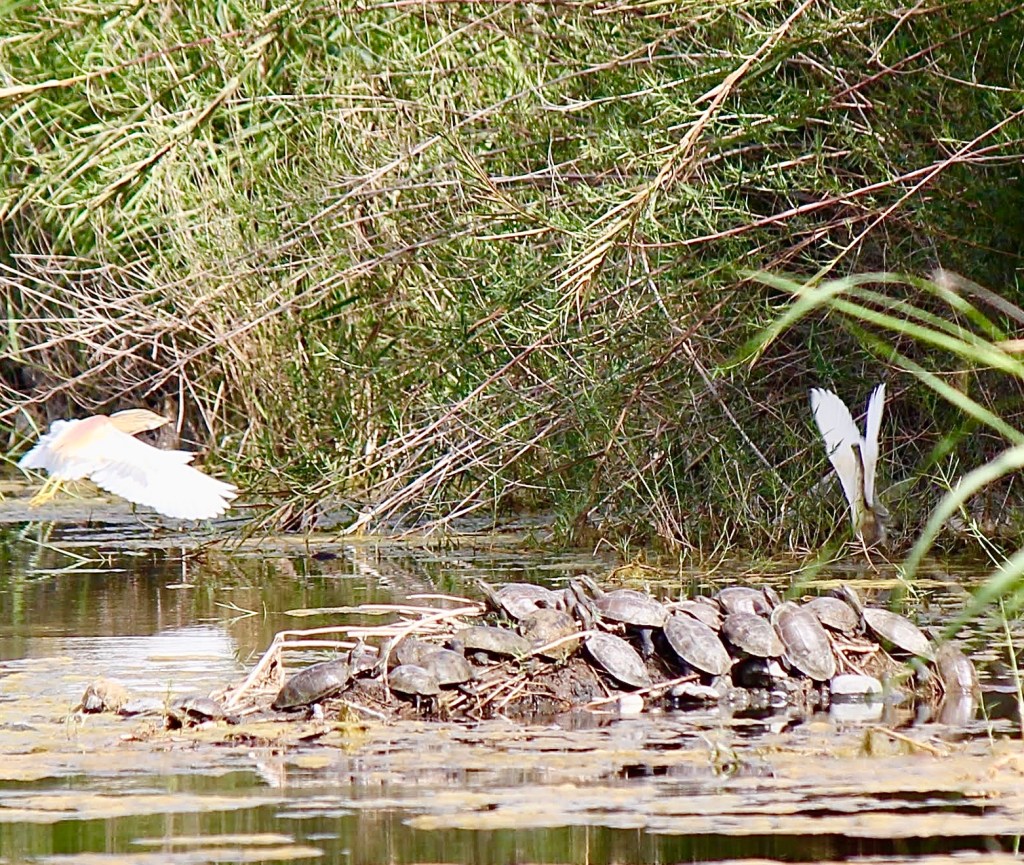
If lucky you may also catch sight of the rare Nile Soft shelled Turtle, large creatures with an upturned snout sometimes seen floating offshore. Otters occasionally swim off the boatyard side of the lake and even in the small centre marina. At dusk , Egyptian fruit bats visit the palm trees along the road.
2. The Town Dump – yeah, you travel a couple of thousand miles to the Cote d’Aegean or whatever it’s being marketed as now, and end up spending your downtime peering at builder’s rubble, steaming fly blown mounds of cow shit and assorted household trash. It wasn’t how I thought I’d spend several hours a week either but the truth is this is the best site in the area for its variety of avian visitors.
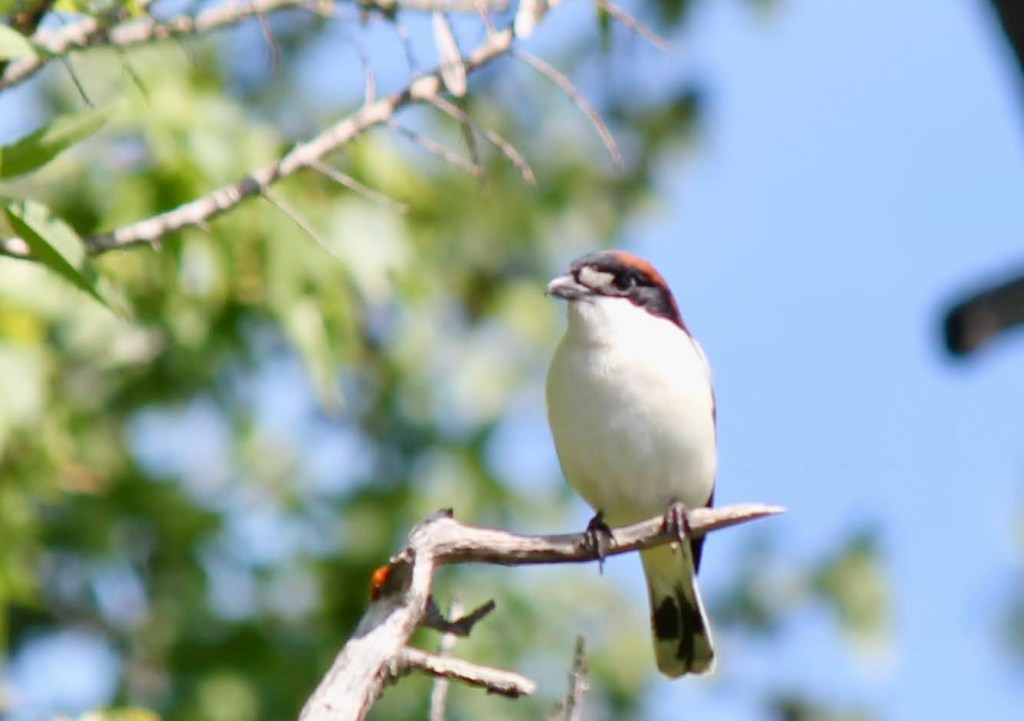
The dump is surrounded by plum wildlife habitat. There are reed beds, the lake, woodland, water meadows, farmland and the broken up confusing landscape of the tip itself. Birds love it , it’s a migration hotspot and has some notable regular visitors such as Little Bittern and Savi’s Warbler. Isabelline , Black eared and Northern Wheatear pass through, it can be heaving with a conundrum of Yellow Wagtails, all 4 regular Shrikes are possible, the flyovers such as Pallid Harrier, Montagu’s Harrier, Garganey, Tern flocks, and Great Spotted Cuckoo are dramatic.
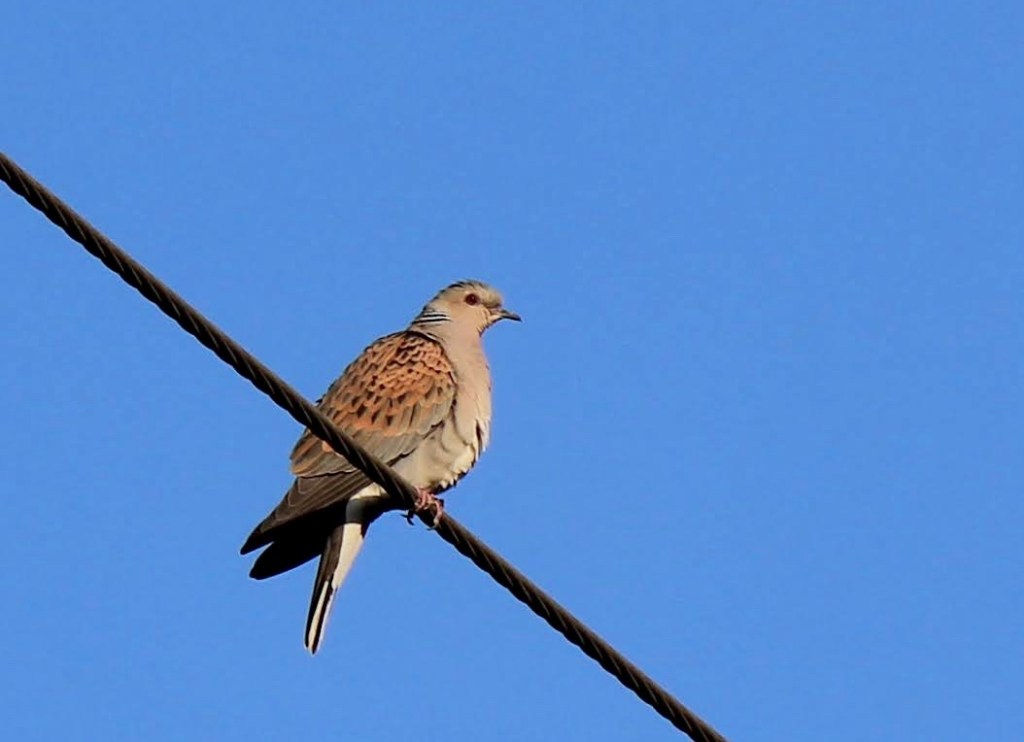
There’s an art to birding the Dump. First scan from the river bridge. There’s often Herons, Waders, Buntings and Shrikes visible and you’ve a fair chance of close views as you start down the dump path. Check the back of the channel , the rough bank and along the minuscule shoreline closely. Then down to the start of the path. Now scan the detritus on the dump and the close cropped vegetation immediately next to the path. Amongst the regular migrants I’ve had Stone Curlew, Collared Pratincole, Little Owl, Wryneck and Red Breasted Flycatcher resting or feeding from here. A slow walk and lots of pauses may bring Turtle Dove , Goshawk, Glossy Ibis , & White Throated Kingfishers along the tree line. Harriers and Hobby often patrol the reedbeds . I’d recommend patiently scanning back and forward across the hillocks and hummocks as birds often suddenly become visible, having been concealed or camouflaged amongst the unlovely scatterings of the towns rubbish.
Little Bittern nest at the end of the dump/channel path and a careful approach may give excellent views along the reedy waters edge.
3. The river channel
The river is actually a wide constructed channel leading down from the hillside above Toparlar. As it nears the lake it softens into something more natural and wildlife friendly. Water only flows from late winter to early spring, and as it passes under the town road bridge it becomes a channel into the lake. Sometimes it’s heavily overgrown and occasionally it’s scraped clean by the council. For birding though it’s valuable as it’s a full of breeding frogs and fish and the density of vegetation hides waders, Rails, Crakes plus lots of Warblers and Pipits. Pallid and Montagu’s Harriers have both been watched hunting their way along the channel..
4a and 4b. The Woodland
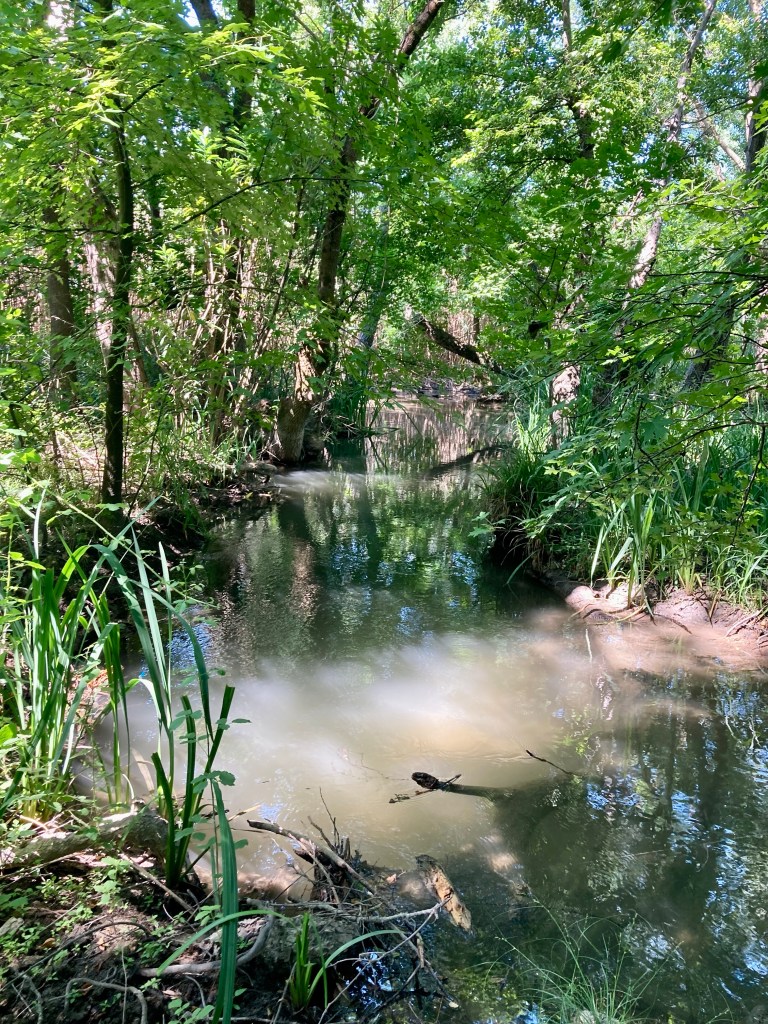
There are several patches of woodland on the edge of town. The boatyard side is the densest and there is a reasonable sized area along the river path. Common Nightingales, 5 Woodpecker species, Great Spotted Cuckoo, several raptors, Warblers, Flycatchers and Owls are some of the regulars to be seen here. The woods are almost always deserted once you get beyond the borders and I’ve spent hours here without seeing another person.
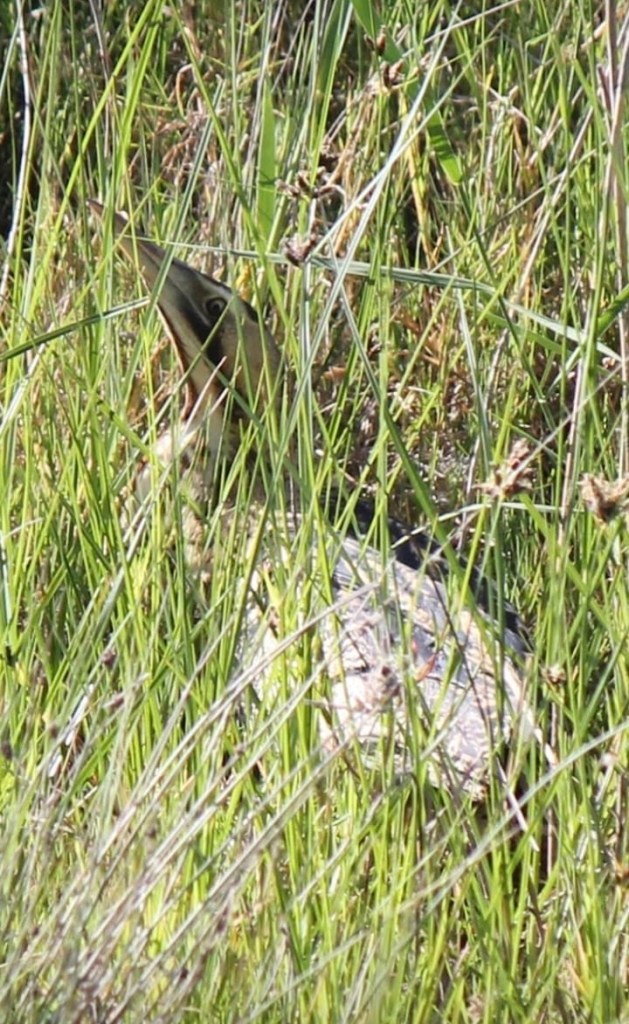
Both sides flood in winter through until spring which adds to the inaccessibility to casual walkers and attraction to birds. Great Bittern, Night Heron and Black Stork being present over successive winters here.
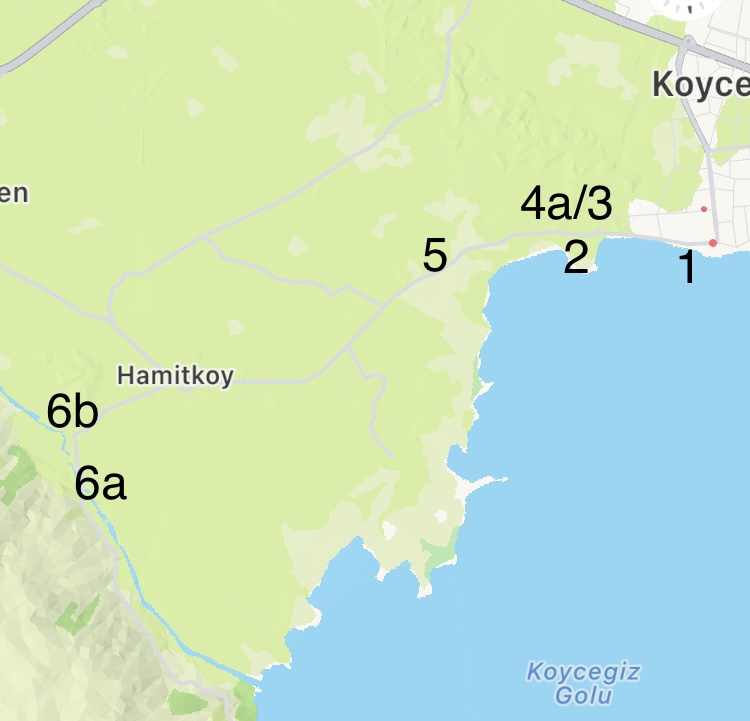
5. Hamitkoy Road
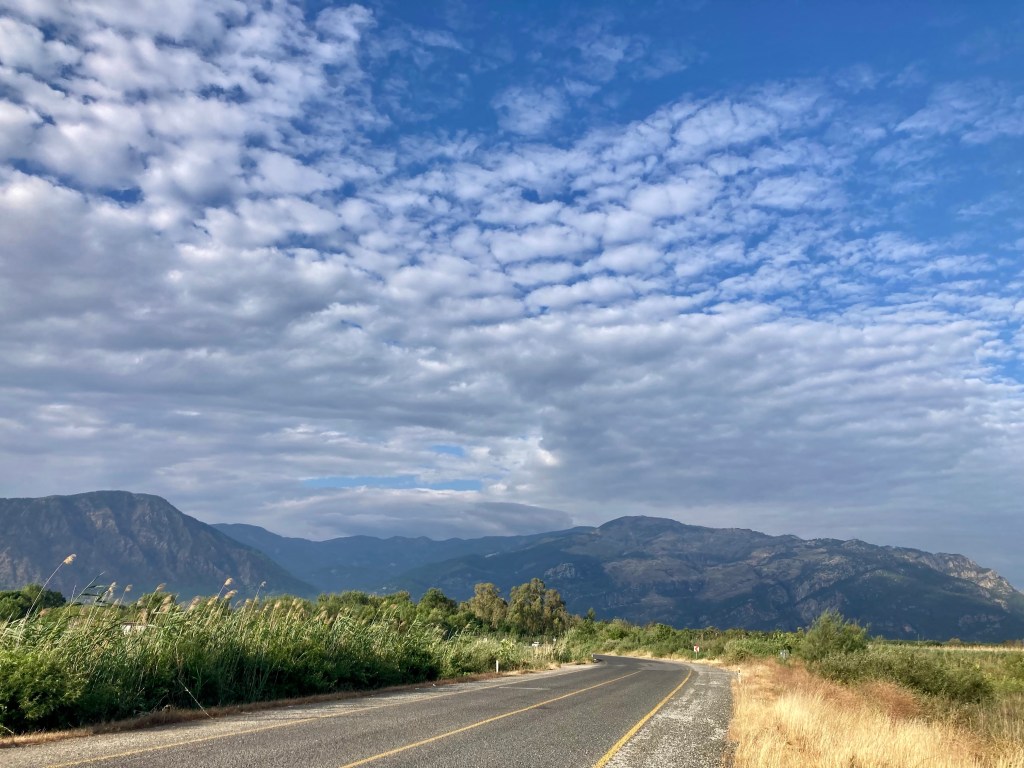
The Hamitköy road separates town from the sprawling village of Hamitköy. It’s a long walk but a perfect cycling distance. The range of habitat attracts a great variety of birds from waders, Crakes, field dwellers and Shrikes to an excellent list of raptors. Towards the lake direction can be seen a few trees above the reedbeds, scanning here and the small woodland visible has so far been rewarded with Osprey’s, Greater and Lesser Spotted Eagle, a long staying large flock of Eleanoras Falcon, Merlin, Red Footed Falcon and so on.
6a and b. Hamitkoy bridge and Namnam river
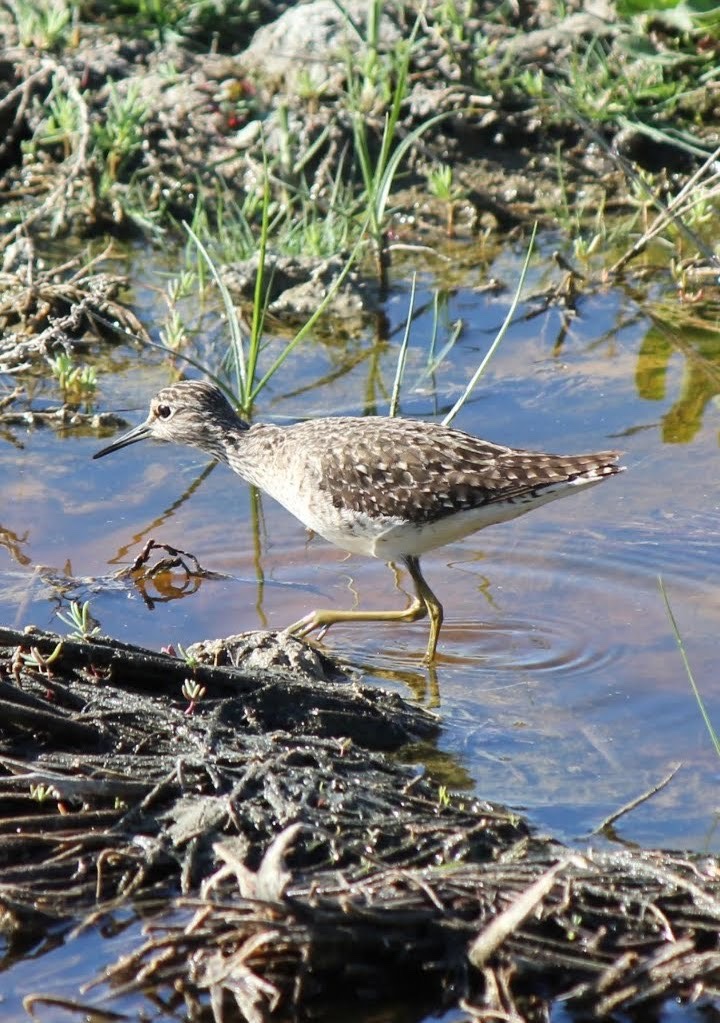
The river here is under threat from an upstream barrage. Hopefully it will be saved as it’s vital to the local ecosystem and economy. It’s one of the few sources of freshwater flowing into the lake and as the lake is directly connected to the sea via the Dalyan channel there’s a real risk of a change in the lakes salinity if the river is diverted. White throated Kingfisher, Black Storks, Waders, Garganey Chukar and Short Toed Eagles are just some of the regulars to be found here. The hills behind are protected for Caracal, Bezoar and Lynx amongst other endangered wildlife.
Other sites
For the longer stay there are plenty of other places to visit both near town and slightly further afield. Nasuhdede close to Eski Köyceğiz, the Ağla road on the way to the mountains, Toparlar waterfall, the dirt roads feeding the orange groves are just a few examples. Anywhere with trees, field, water or a good sky view has distinct potential and I’ve done a lot of productive balcony birding on lazy days. One of the specialities of the area is White throated Kingfisher which is difficult to pin down though often heard. Eskiköy on the Dalyan borders is the most reliable site for this bird and generally a car or bike is needed as it’s a little remote from the towns.
Köyceğiz bird club
A very recent development here have been bird walks for beginners. So far a friendly group of Turkish locals have attended early morning spring meetings to see what lives in their area. A nice selection of birds have been seen and heard and we usually end up back at Lutra Lutra for a coffee and chat. There’s an old fashioned sightings book kept at the cafe too for anyone to update.
I’ll advertise any future walks here for anyone interested.
The Town- things to know
Köyceğiz is a friendly little town, easy to get around, plenty of places to eat and live music every night in at least two restaurants. Restaurants and bars are detailed here though you’d be unlucky to go wrong pretty much anywhere. Prices drop significantly away from the lake front. A few recommendations can be found here.
Getting here and away is easy, 30 minutes from Dalaman airport , regular buses on the main road heading to Fethiye or Marmaris/Muğla and longer distance coaches from the main bus station. The taxi rank is on the main square.
There are several boats from Dalyan on Monday, serving the market tourists. A worthwhile trip though you won’t get many hours to explore. Coming here by boat then returning by bus or cab the following day is a more enjoyable option.
There are a few hotels and Airbnb’s and it’s rarely completely full except for public holidays. Prices are much lower than the resort towns.
Relatively few people away from the restaurants speak English but with the help of your phone, sign language and a smile, that shouldn’t be an issue.
 ON THE MOOCH
2 responses to “Köyceğiz- Birds, Beasts & Bugs”
Glad your out mooching again Paul, great read buddy 👍
LikeLiked by 1 person
Thank you for this comprehensive overview of the wildlife around Köyceğiz. It nearly brought me to tears—I had no idea the biodiversity here was so rich. I’ll need to look up the Turkish names for all the birds mentioned… and also look up to the sky, to see more deeply. 😊
LikeLiked by 1 person